

 By
By The global energy market is once again facing uncertainty as tensions in the Middle East begin to influence oil supply and prices around the world. The Middle East has always played a critical role in global oil production, and whenever instability appears in the region, international markets react almost immediately.
In recent weeks, rising geopolitical tensions and concerns about supply disruptions have created uncertainty in the energy sector. Investors, governments, and energy organizations are watching the situation closely because even small disruptions in oil supply can have a significant impact on global markets.

Why the Middle East Matters for Global Oil
The Middle East remains one of the most important regions for oil production. Countries such as Saudi Arabia, Iran, Iraq, and the United Arab Emirates produce a large share of the world’s crude oil.
Another important factor is the Strait of Hormuz, a narrow but extremely important shipping route through which a large portion of the world’s oil exports travel. Because of its strategic location, any tension or conflict in this region can quickly create concerns about oil transportation and supply.
This is why developments in the Middle East are closely followed by governments, investors, and businesses around the world.
Growing Tensions and Market Uncertainty
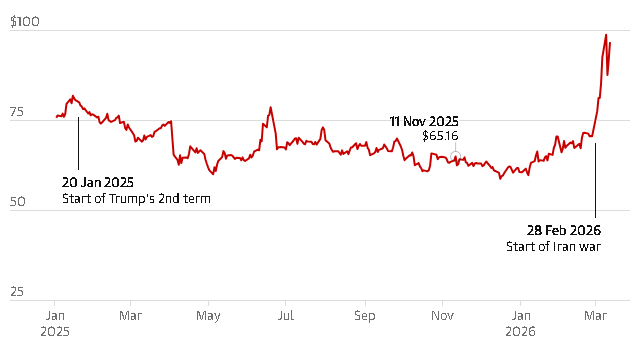
Recent political tensions and security concerns have raised fears that oil production or transportation could be affected. When uncertainty increases, global energy markets often respond very quickly.
Traders and investors tend to react even to the possibility of supply disruptions. If there is a concern that oil production might decrease or that shipping routes could be blocked, oil prices usually begin to rise almost immediately.
Even rumors or warnings about possible disruptions can lead to sudden price movements in the global oil market.
How Rising Oil Prices Affect the World
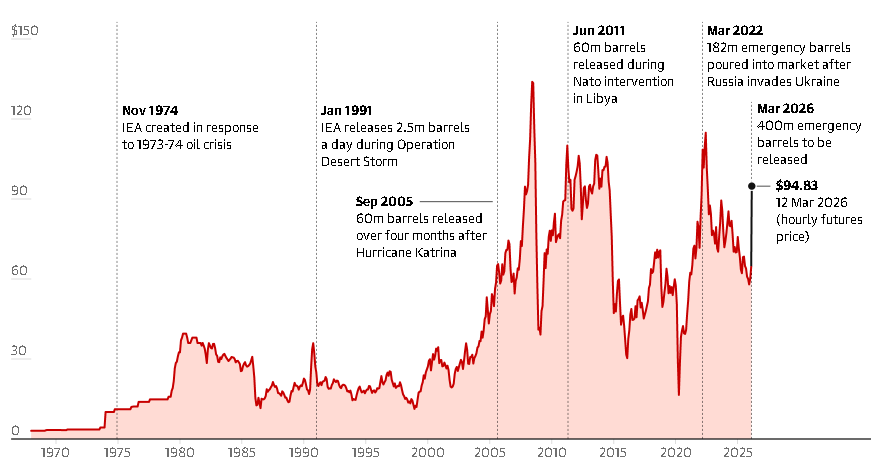
One of the most immediate effects of an oil crisis is an increase in oil prices. Since oil is used in transportation, manufacturing, and electricity generation, rising prices can impact many sectors of the global economy.
Higher oil prices often lead to increased costs for:
Transportation and aviation
Manufacturing industries
Shipping and logistics
Energy production
Consumers also feel the impact when gasoline and fuel prices rise. This can affect daily expenses and increase the cost of goods and services.
Global Economic Impact
An oil crisis does not only affect energy markets. It can also influence the broader global economy.
When fuel prices rise, inflation often increases as well. Businesses face higher operating costs, and these costs are frequently passed on to consumers. This can slow economic growth and create financial pressure in many countries.
Large economies such as the United States, China, and India closely monitor oil price movements because they rely heavily on stable energy supplies for industry and transportation.
Developing countries are often affected the most, especially those that depend heavily on imported oil.
What Could Happen Next
The future of the global oil market will largely depend on how the situation in the Middle East develops. If tensions decrease and supply routes remain secure, oil prices may stabilize.
However, if conflicts escalate or production is disrupted, markets could experience continued volatility.
Energy experts believe that governments and international organizations will continue to monitor the situation closely to prevent major disruptions to global supply.
Conclusion
The Middle East oil crisis once again shows how closely connected the global energy system is. Events in one region can quickly affect markets, economies, and consumers across the world.
As tensions continue, the world will be watching closely to see how governments, energy organizations, and global markets respond. At the same time, the situation highlights the growing importance of energy diversification and long-term sustainability.
For now, the developments in the Middle East remain one of the most important factors shaping the global energy market.